
【 Prizes| 獎項 】Golden Award|金獎;WDO Excellence Award|WDO特別獎
【 Country/Region| 國家或地區 】 Taiwan|台灣
【 Design Team|設計團隊 】 PiliWu-Design|無氏製作
【 Designer|設計師 】 Xiao-Ru, Wu|吳孝儒; Yu-Wen, Hunag|黃郁玟; Wei-Hsuen, Lo|羅偉軒; Lu-Chia, Huang|黃璐加; Chien-Chia, Chen|陳建嘉
【 Description|作品介紹 】
Based on a 2022 TFAM visitor survey, rest areas ranked lowest in both satisfaction and importance, revealing potential for improvement. This project responds by using furniture as an interface to redefine the relationship between people, objects, and space.
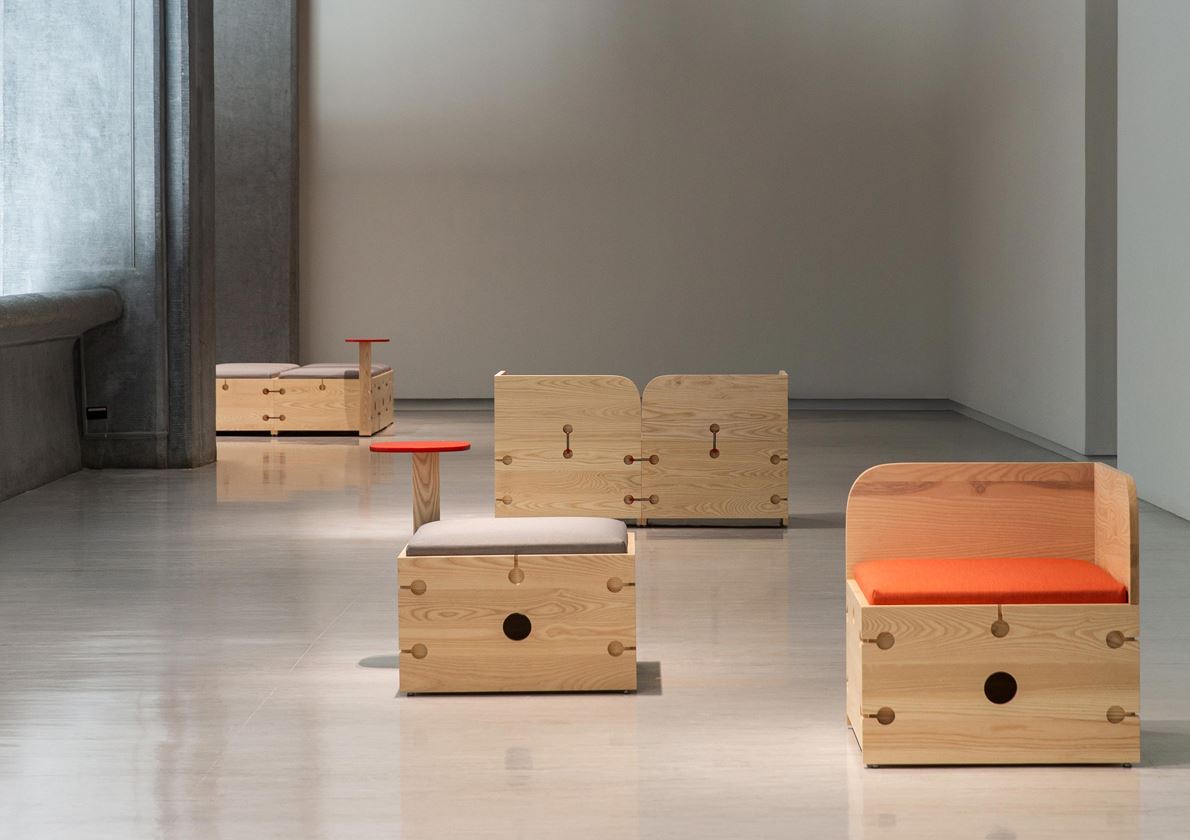
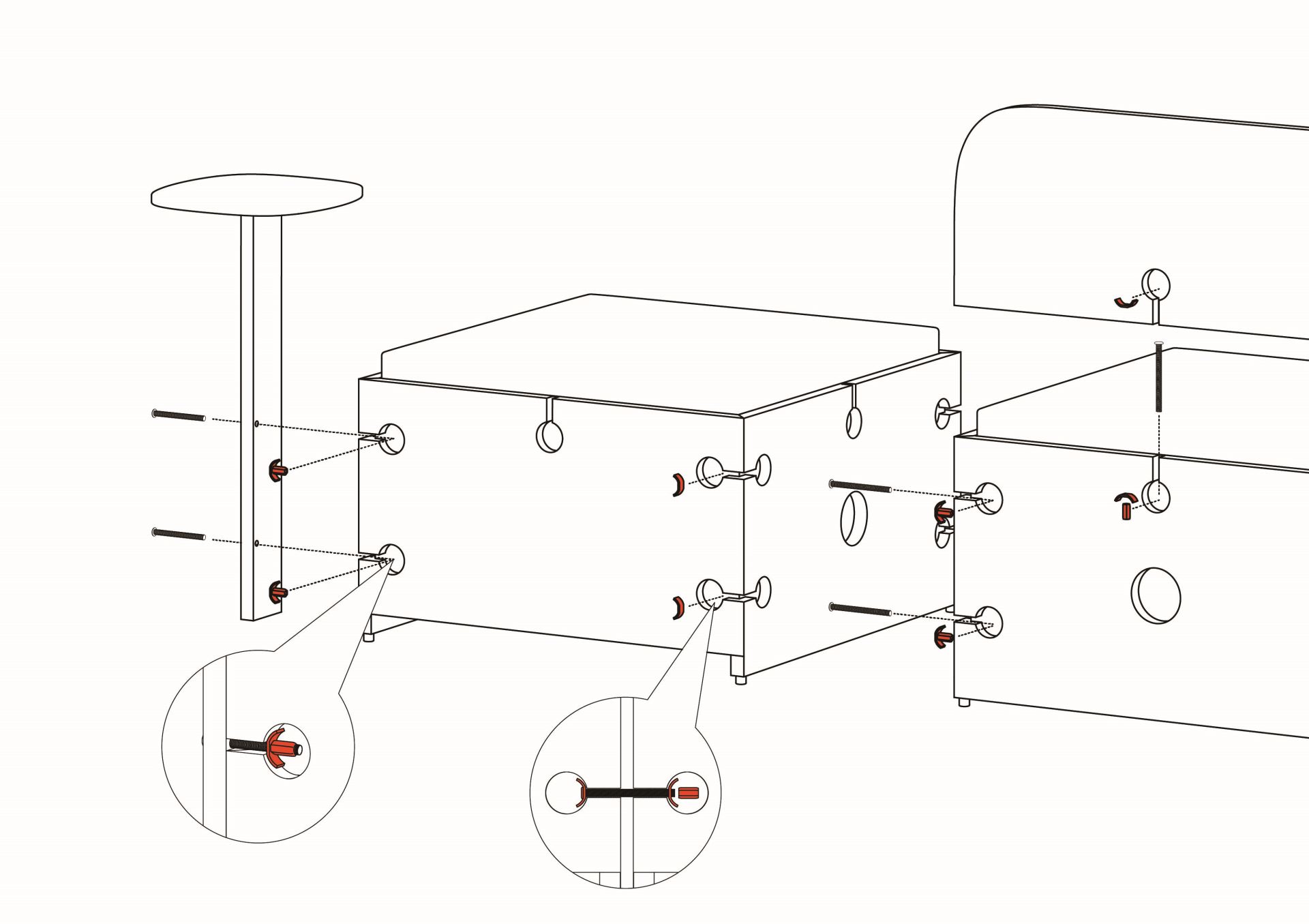
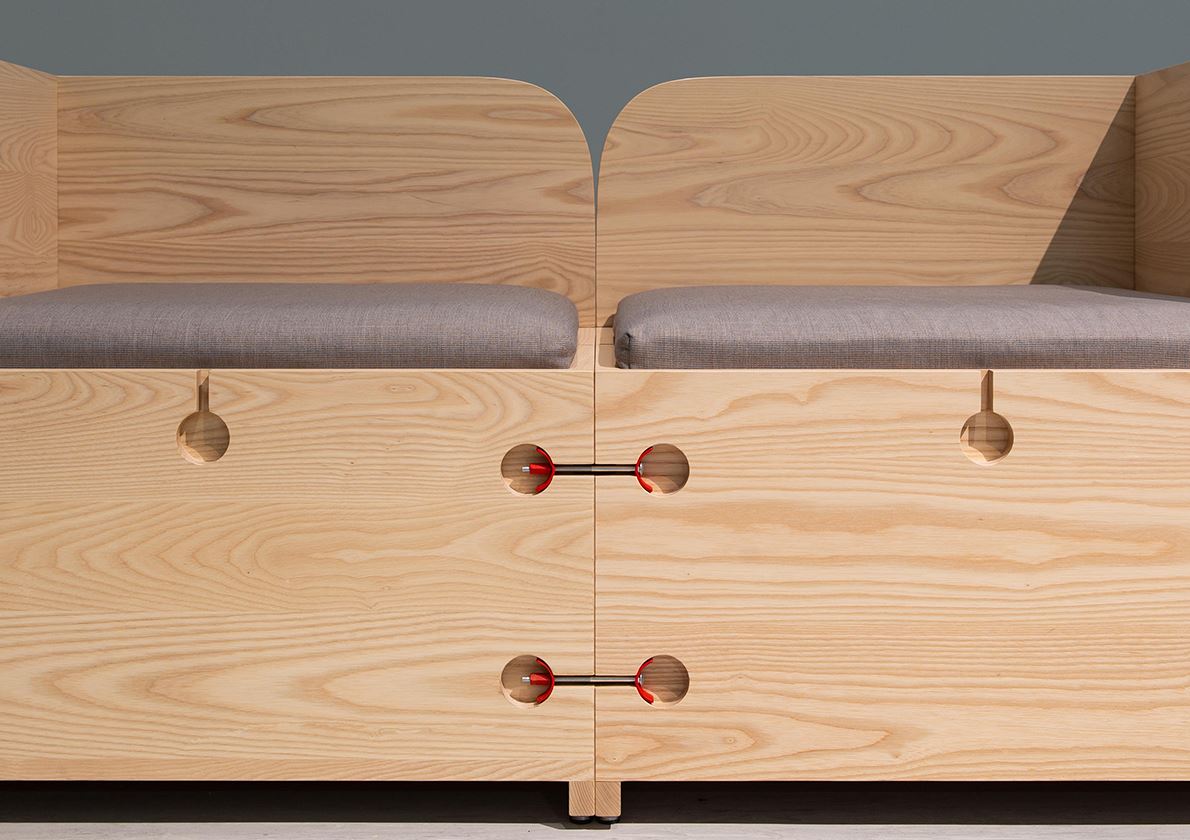
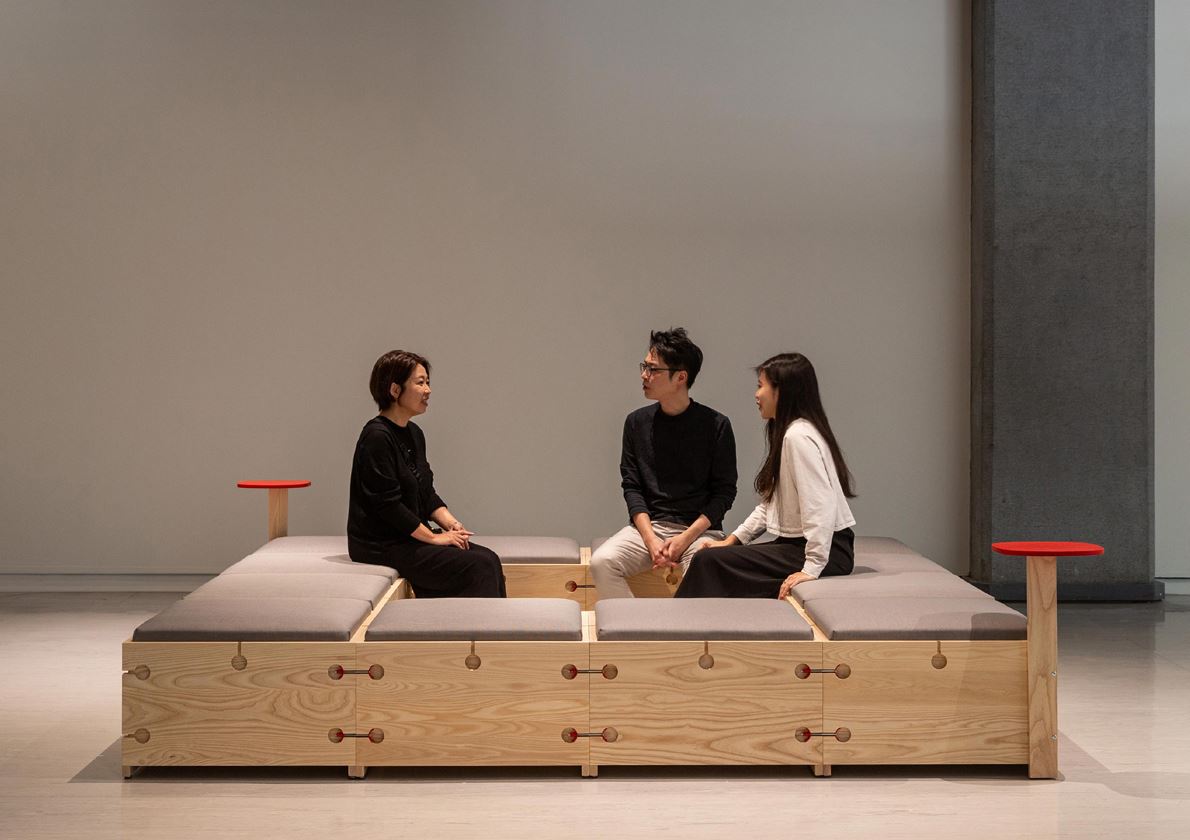
Echoing architect Kao Er-Pan’s grid-based spatial language, we designed a series of neutral, matrix-like modular seats. A small metal connector links each unit, allowing flexible combinations—stool, bench, or daybed—to support various postures such as sitting, leaning, or lying. Visitors are encouraged to adapt the seating to their needs and reestablish their relationship with the space.
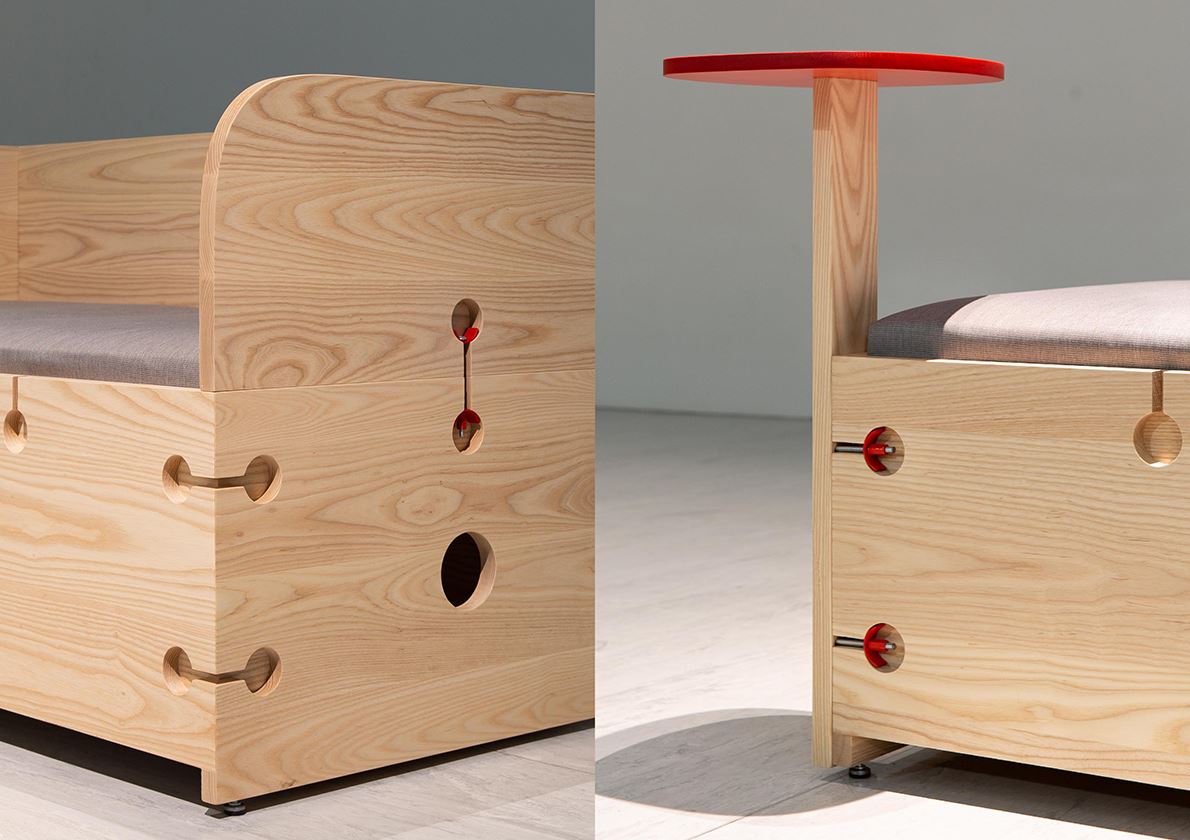
The modules are made of solid ash wood, accented with metal fittings, and paired with detachable backrests and side tables. The design is easy to move, stack, and maintain, balancing material quality with durability.
More than functional rest furniture, this design creates a rhythm of perception beyond viewing. Here, furniture becomes an active agent—prompting thought, interaction, and shared experience—revitalizing public space as a platform for cultural engagement.
---
本案以「Typing…」為主題,聚焦臺北市立美術館三樓 3C 藝想迴廊的傢俱設計。該空間由建築師高而潘規劃,為一處開放流動、具穿透性的回字型動線,觀眾可於此停留、轉換與沈澱。
根據 2022 年北美館觀眾調查,休憩設施在滿意度與重視度上皆為最低,顯示其具潛在優化空間。本案由「坐具」出發,試圖以傢俱作為介面,重新定義人、物與空間的互動關係。
呼應建築師高而潘的井字與矩形設計理念,我們設計了一系列無個性的矩陣型模組坐具。透過一組小型五金配件即可將各模組連結,延伸出凳、長椅、床等多元形式,支援坐、靠、躺等姿態,鼓勵觀眾以自身需求靈活使用,重新建立與空間的關係。
材質上選用實木梣木為主體,以金屬構件點綴,搭配可拆卸的椅背與邊桌,模組便於搬運、堆疊與維護,兼顧質感與耐用性。
本案不僅提供休憩機能,更透過家具設計開啟觀看以外的感知節奏。傢俱在此不再只是配角,而是引導思考、交流與共感的載體,賦予公共空間更積極的文化參與角色。


